• Skip to primary navigation
  • Skip to main content
  • Texas A&M Forest Service
  • Texas A&M Veterinary Medical Diagnostics Laboratory
  • Texas A&M AgriLife Extension Service
  • Texas A&M AgriLife Research
  • Texas A&M College of Agrculture and Life Sciences
Cypress Basin Master Gardeners Association
Cypress Basin Master Gardeners AssociationCBMGA is an educational and volunteer program offered through the A&M AgriLife Extension of the Texas A&M University System.

Other Horticultural Events

  • Menu
  • Welcome to CBMGA.ORG-Your Plant Information Place
  • About Us
    • Our Mission
    • Our Location
    • TOUR OUR GARDENS-VIRTUALLY
    • CBMGA Photo Archive
    • Who Are Master Gardeners
    • How Can I Become a Master Gardener?
    • Volunteer Commitment
    • History of TMG
    • Texas Master Gardeners Program
  • Calendar
    • January 2026
    • February 2026
    • March 2026
    • April 2026
    • May 2026
    • June 2026
    • July 2026
    • August 2026
    • September 2026
    • October 2026
    • November 2026
    • December 2026
  • Resources
    • Texas A&M Aggie Horticulture
    • Texas Master Gardener Association
    • Titus County Extension
    • Earth-Kind® Gardening
    • Gardening by the Month
    • Texas Plant Disease Diagnostic Lab
    • Soil Testing
    • Knowledge Pages
      • Vegetables and Gardening
        • Vegetables
        • Herbs
        • No Dig Vegetable Gardens
        • Food Preservation
      • Insects and Butterflies
        • Insects
        • Butterflies
        • Fire Ants
      • Water Literacy
        • EarthKind Landscaping
        • Rain Water Harvesting
        • ARWCA-RainWater Capture
        • Tx Water Dev Brd
    • Our Newsletter (currently inactive as of 2024)
    • Our Youtube
  • Ask a ???
  • Members Only
  • MG Training
  • Plant Sale

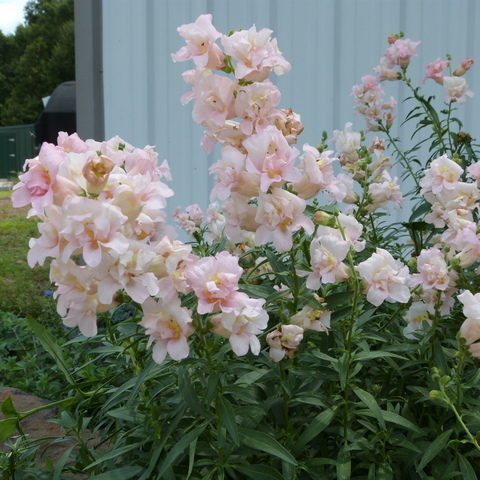
Snapdragon

snapdragon Snapdragon, Sonnet Yellow
Snapdragon Snapdragon, Sonnet Yellow
Common Name
Type
Family
Native Range
Zone
Height
Spread
Bloom Time
Bloom Description
Sun
Water
Maintenance
Suggested Use
Flower
Attracts
Tolerate
snapdragon
Herbaceous perennial
Plantaginaceae
China, United States
7 to 10
1.00 to 3.00 feet
0.50 to 1.00 feet
April to frost
White, yellow, pink, red, orange, peach, purple
Full sun
Medium
Medium
Annual
Showy
Hummingbirds, Butterflies
Deer
Short-lived tender perennial that is winter hardy to USDA Zones 7-10. In other zones, it is usually grown as an annual. It is easily grown in moist, organically rich, well-drained soils in full sun. Avoid overhead watering. Start seeds indoors 6-10 weeks before last frost date or purchase starter plants. Set out plants/seedlings after last frost date. Pinch stem tips of young plants to promote bushiness and prevent leggy growth. Deadhead spent flowers to prolong bloom. If flowering slows drastically after the first flush of bloom, consider cutting plants back hard and fertilizing. Although well-mulched plants in protected locations may overwinter in St. Louis and although cuttings may be taken in fall for overwintering, snapdragons are inexpensive plants that are perhaps best repurchased each spring. Nurseries commonly sell plants in cell/six packs. Always purchase fungal resistant plants/seeds. Snapdragons, like pansies, are often planted in fall south of USDA Zone 7 where they will not only survive the winter, but will bloom as long as temperatures stay above freezing.
Information on this page is generally from Missouri Botanical Gardens,
Dave’s Garden, All things Plants or Texas Superstar

This page last updated or reviewed 241003

Texas A&M AgriLife Extension Service
Texas A&M University System Member
  • Compact with Texans
  • Privacy and Security
  • Accessibility Policy
  • State Link Policy
  • Statewide Search
  • Veterans Benefits
  • Military Families
  • Risk, Fraud & Misconduct Hotline
  • Texas Homeland Security
  • Texas Veterans Portal
  • Equal Opportunity
  • Open Records/Public Information